




For four decades, Rakim existed in a category few artists ever reach. He was the rapper other rappers studied. The blueprint behind generations of lyricists. The artist many consider the greatest MC to ever touch a microphone.
Yet somehow, through all of hip hop’s evolution, awards, ceremonies and industry celebrations, Rakim had never received a single Grammy nomination.
Not one.
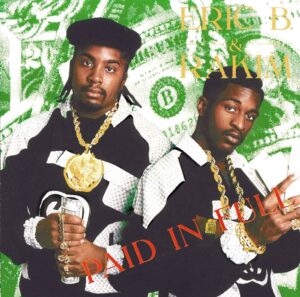
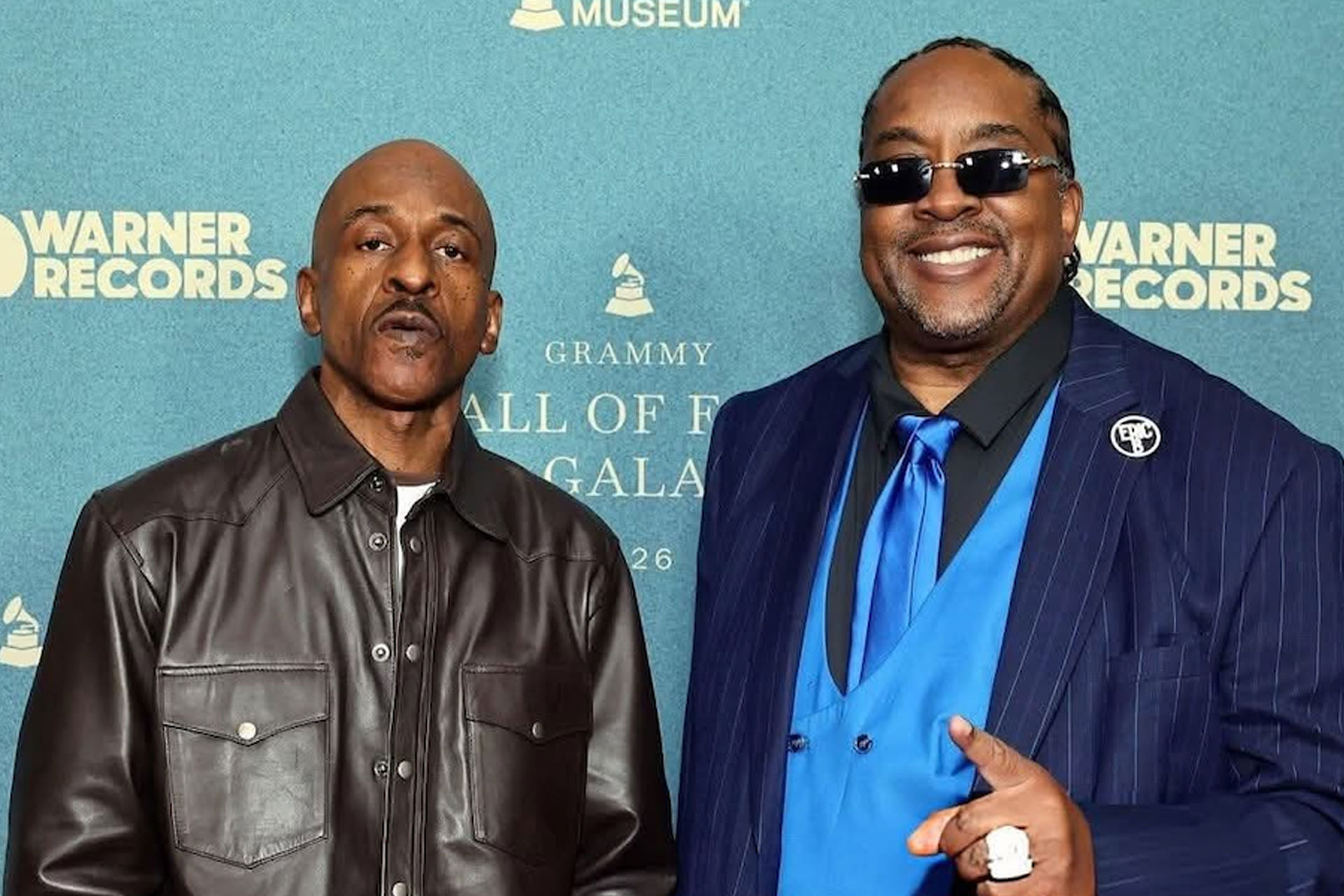
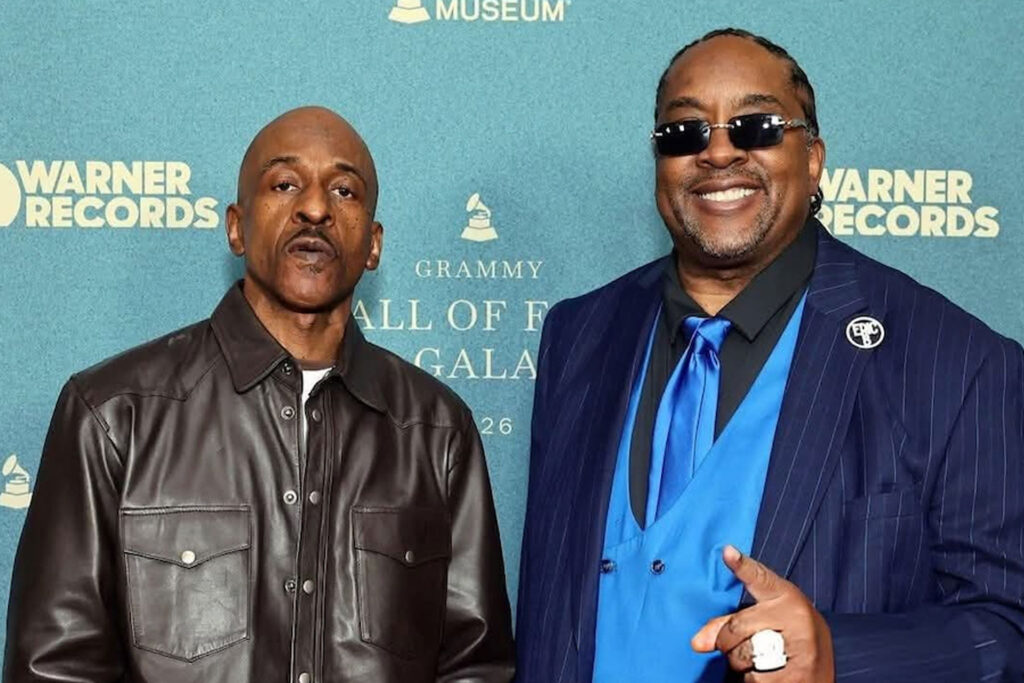
That changed on May 8, 2026, when “Paid In Full” by Eric B. & Rakim was officially inducted into the Grammy Hall of Fame during a ceremony at the Beverly Hilton in Los Angeles.
Thirty eight years after its release, the album that reshaped rap music finally received recognition from the Recording Academy.
It may not be a competitive Grammy award, but for hip hop historians and fans alike, the moment carried major weight. “Paid In Full” is more than a classic album. It is one of the most influential records ever created in the culture.
Before Rakim, most rappers approached verses with simple end rhymes and straightforward delivery patterns. Rakim changed the architecture of rap itself. His internal rhyme schemes, layered multisyllabic patterns, calm precision and almost effortless flow introduced a level of technical sophistication that had never been heard before.
He didn’t just rap differently. He changed how rappers thought.
Artists from Nas to Jay-Z to Eminem have acknowledged Rakim’s influence on their craft. Eminem once called him “probably the greatest rapper of all time,” a statement that reflects how deeply Rakim’s DNA runs through modern lyricism.
Songs like “My Melody,” “I Ain’t No Joke” and the title track “Paid In Full” became foundational texts for MCs worldwide. His style created the standard for technical excellence long before rap became the dominant global genre it is today.
That’s why the lack of Grammy recognition always felt glaring.
Hip hop has often had a complicated relationship with institutions built long before the culture received mainstream respect. Many pioneering artists were overlooked while the genre was still fighting for legitimacy. Rakim’s absence from Grammy nominations became one of the clearest examples of that disconnect.