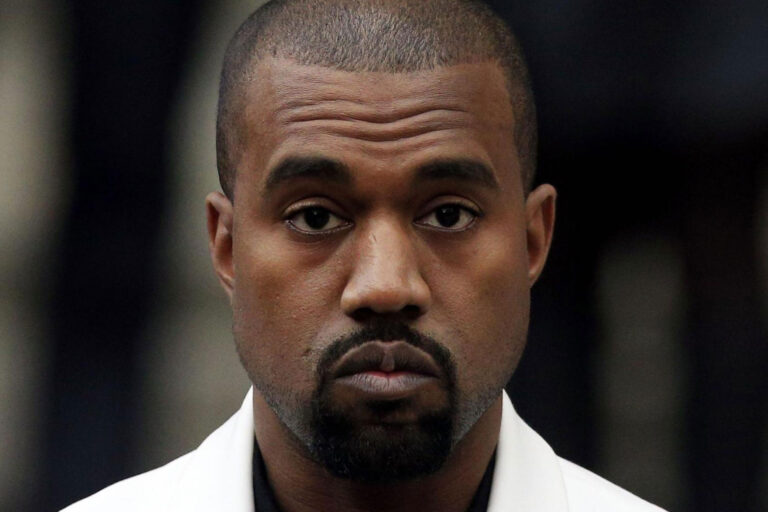




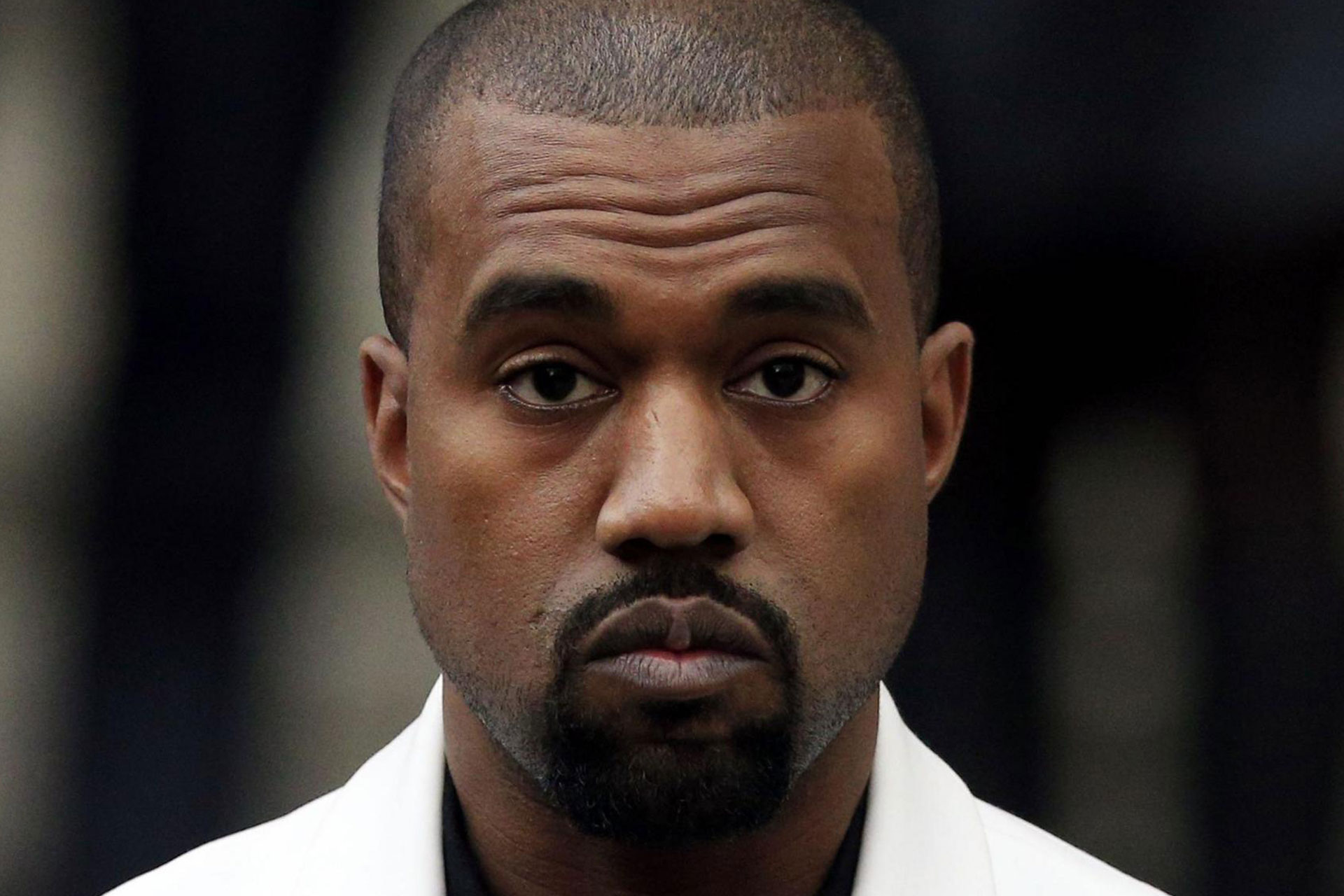
In what is shaping up to be one of the most talked about moments in modern music, Kanye West, now operating fully in his independent era as Ye, has delivered a performance that is sending shockwaves through the industry. Without the backing of a major label, traditional radio support, or conventional promotional machinery, Ye has once again proven his ability to command global attention on his own terms.
During the first full week of release, his album “BULLY” reportedly pulled in an astonishing 200,997 first week sales. In today’s streaming driven landscape, where independent artists rarely reach such heights without institutional backing, those numbers stand out as both rare and disruptive. Even more impressive, the project quickly climbed to the number one spot on both Apple Music and Spotify globally, signaling a unified wave of listener engagement across platforms.
It is important to note that Ye is no stranger to critical acclaim. Over the course of his career, he has won multiple Grammy Awards, cementing his legacy as one of the most decorated and influential artists in music history. This latest independent run only adds another layer to an already historic résumé.
But Ye did not stop at digital dominance.
Taking his momentum to the stage, he reportedly grossed $33 million from just two sold out performances at SoFi Stadium in Los Angeles. The shows are being hailed as the highest grossing concerts in the venue’s history, a milestone that further cements his ability to convert cultural buzz into real world revenue at an elite level.
What makes this run even more compelling is the context. In an era where major labels still play a central role in artist visibility and distribution, Ye’s success story challenges long standing industry norms. By bypassing traditional systems, he has positioned himself as both artist and infrastructure, controlling his narrative, rollout, and revenue streams.
The implications are significant. For emerging artists and established acts alike, this moment could serve as a blueprint for what independence at scale can truly look like. While not every artist has the brand equity or fanbase Ye commands, the success of this rollout raises questions about the evolving role of labels in a digital first, direct to consumer world.
As the conversation continues, one thing is clear. Ye is not just releasing music, he is redefining the rules of engagement.