




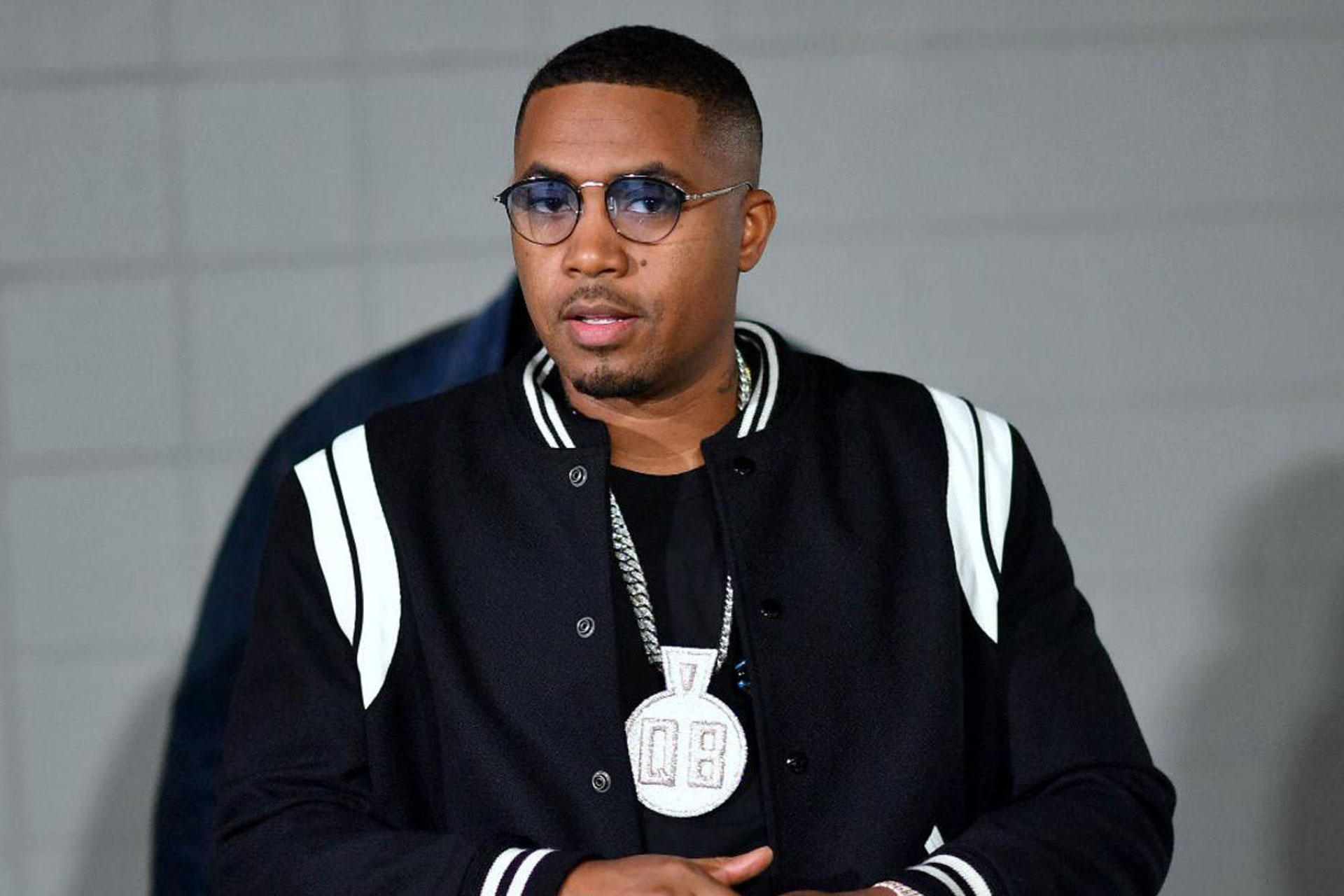
In hip-hop, wealth has often been measured in visible success, diamond chains, foreign cars, and sold-out arenas. But real power has always lived somewhere quieter, in ownership. Few artists have embodied that evolution more strategically than Nas, a lyricist who turned street poetry into boardroom leverage and transformed rap earnings into generational equity.
From the moment “Illmatic” arrived in 1994, Nas positioned himself as a thinker. His music was layered, reflective, and analytical, the mind of a strategist disguised as a poet from Queensbridge. That same mentality would later guide him beyond the studio and into venture capital.
In 2013, long before equity became a buzzword in hip-hop, Nas co-founded QueensBridge Venture Partners. While many artists were endorsing brands for quick checks, he was studying ownership stakes. Instead of spending rap money to look rich, he deployed it to become wealthy.
His early investments tell the story. Nas backed Dropbox, Lyft, Coinbase, and Ring, companies that would later dominate their respective industries. These were not vanity placements. They were calculated bets on infrastructure, mobility, digital storage, and fintech, the invisible systems powering the modern world.
The payoff was substantial. Reports estimate that his venture portfolio grew to approximately $100 million, turning music revenue into a diversified asset base. Nas did not abandon hip-hop to chase tech. He used hip-hop as capital to enter rooms most rappers had never considered.
What makes the story even more compelling is that his business ascension happened alongside a powerful artistic resurgence. Over the course of his career, Nas has earned 16 Grammy nominations, a testament to his sustained excellence across decades.
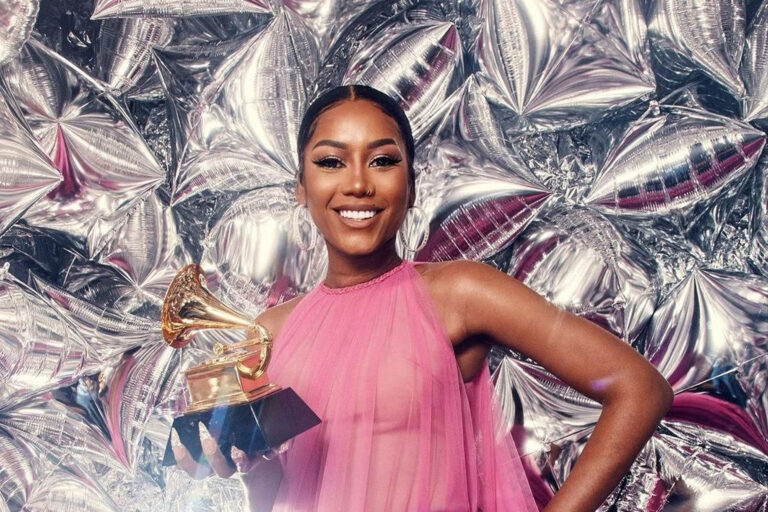
In 2021, he finally secured his first Grammy win, taking home Best Rap Album for “King’s Disease” at the 63rd Annual Grammy Awards. The victory felt overdue, a crown placed on a career that had long shaped the culture. He followed that triumph with another Grammy win in 2022, again earning Best Rap Album honors for “King’s Disease II,” solidifying his late career renaissance.
It is rare to see an artist peak critically and financially in separate decades. It is even rarer to see both happen at once.
Nas represents a generational pivot in hip-hop, from performer to proprietor, from influencer to investor. He understood something simple yet profound. Luxury fades, but equity compounds. The applause from a hit record is temporary. Ownership in a transformative company can echo for generations.
His journey reframes what success looks like in rap culture. The conversation is no longer just about chart positions or jewelry collections. It is about board seats, venture rounds, intellectual property, and legacy.
In an industry that once glorified spending as status, Nas modeled stewardship as strength. He showed younger artists that the real flex is not what you buy. It is what you own.
For Beatselector Magazine, the lesson is clear. Nas did not just build a discography. He built infrastructure. He did not just rap about the future. He invested in it. And in doing so, he authored one of the most important second acts in hip-hop history, the shift from clout to capital, from fame to foundation.
Ownership, in the end, was always the illest verse.




1 comment
Comments are closed.